
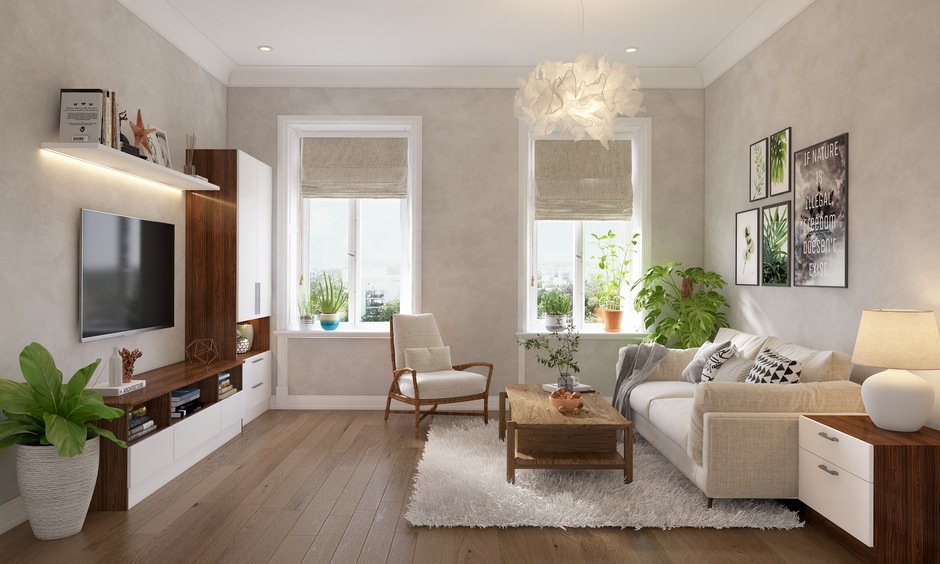
Few home upgrades make as big an impact as installing hardwood flooring. The rich, natural beauty of wood adds warmth, elegance, and lasting value to any space. But with so many wood species, finishes, and styles available, choosing the right one can feel overwhelming. The goal is to find a floor that not only complements your home’s design but also stands up to your lifestyle and long-term needs.
Whether you’re building a new home or renovating an existing one, working with experts like Mebesa hardwood floor installation ensures that you get both exceptional craftsmanship and the perfect wood for your space. Let’s explore everything you need to know before choosing the best hardwood floor for installation.
1. Start with Lifestyle and Usage
The first step in choosing the best hardwood floor is understanding how your space is used. Not all woods perform equally under different conditions.
Ask yourself:
- Is the area high-traffic, like a hallway or kitchen?
- Do you have pets or young children?
- Do you prefer a glossy or matte finish?
For busy households, harder wood species like oak, maple, or hickory are ideal. For formal rooms with less traffic, softer species like cherry or walnut can add warmth and luxury without heavy wear.
2. Solid vs. Engineered Hardwood: Which Is Right for You?
One of the biggest decisions you’ll make is between solid hardwood and engineered hardwood.
- Solid hardwood: Made from a single piece of wood. It can be sanded and refinished multiple times, making it a long-term investment. Best for above-grade installations (living rooms, bedrooms).
- Engineered hardwood: Constructed with multiple layers of wood bonded together, topped with a hardwood veneer. It resists humidity and temperature changes better, making it perfect for basements or areas with moisture.
If you live in a humid climate or have radiant heating, engineered hardwood offers better stability and performance.
3. Choose the Right Wood Species
The type of wood you choose affects everything — color, texture, durability, and maintenance. Here are some popular options:
| Wood Species | Color & Grain | Durability (Janka Rating) | Best Use |
| Oak | Warm tones, pronounced grain | Very hard (1300+) | Versatile, high-traffic areas |
| Maple | Light and smooth | Very hard (1450) | Modern spaces, kitchens |
| Walnut | Dark, rich color | Medium (1010) | Formal or low-traffic rooms |
| Hickory | Rustic with color variation | Extremely hard (1820) | Busy households |
| Cherry | Reddish hue, smooth grain | Medium (950) | Elegant, low-traffic areas |
Choosing the right species depends on the aesthetic you want and how much maintenance you’re willing to handle.
4. Pick a Finish That Matches Your Style
Finishes not only define the look of your floor but also its durability and maintenance requirements. The two main types are:
- Prefinished hardwood: Comes already sanded, stained, and sealed. Offers faster installation and strong factory-applied protection.
- Unfinished hardwood: Installed first, then sanded and finished on-site. This option allows for greater customization in color and sheen.
Modern finishes like matte or satin sheens are popular because they hide scratches better than glossy coatings while maintaining a natural appearance.
5. Consider Color and Grain Pattern
The wood’s color and grain pattern have a huge impact on your interior design. Lighter woods make rooms feel larger and more airy, while darker tones add richness and sophistication.
- Light tones (oak, ash): Great for contemporary and Scandinavian styles.
- Medium tones (maple, cherry): Offer warmth and balance.
- Dark tones (walnut, mahogany): Perfect for classic, elegant spaces.
Grain patterns also influence the overall aesthetic — tight, consistent grains lend a refined look, while dramatic variations add rustic charm.
6. Board Width and Length Matter
The size of your planks changes the visual perception of your space:
- Wide planks (5” or more): Create an open, modern feel.
- Narrow planks (under 3”): Offer a more traditional or vintage look.
- Long boards: Minimize seams for a sleek, continuous appearance.
Wider planks may cost more and expand or contract more visibly with humidity, so they’re best installed by professionals who understand proper acclimation and layout techniques.
7. Match the Floor to Your Home’s Aesthetic
Your floor should complement your existing design elements — cabinetry, wall color, furniture, and lighting. Consider your overall style:
- Modern: Smooth, light-colored woods with minimal grain.
- Rustic: Distressed or hand-scraped finishes with wide planks.
- Traditional: Medium tones and classic species like oak or cherry.
- Industrial: Dark, matte finishes or reclaimed wood textures.
A flooring expert can help you visualize how different finishes and tones will interact with your space’s lighting and décor.
8. Understand Installation Methods
There are several ways to install hardwood floors:
- Nail-down: Common for solid hardwood on wooden subfloors.
- Glue-down: Ideal for engineered hardwood or concrete bases.
- Floating: Boards click together without adhesives or nails — great for DIY or uneven surfaces.
Professional installers assess your subfloor type, humidity levels, and layout to determine the most stable and lasting method.
9. The Importance of Acclimation
Wood naturally expands and contracts based on temperature and humidity. Before installation, it must acclimate to your home’s environment — typically for 3 to 7 days.
Skipping this step can lead to warping or gapping after installation. Professional installers ensure the wood adjusts properly before laying it down.
10. Budget Considerations
Hardwood flooring varies in price based on wood species, plank width, and finish. While it’s tempting to go for cheaper options, remember that high-quality wood and professional installation deliver better long-term value.
Think of hardwood flooring as a lifetime investment — when properly installed and maintained, it can last for decades and significantly increase your home’s resale value.
11. Maintenance and Longevity
When selecting hardwood, consider how much upkeep you’re comfortable with. Harder species with durable finishes resist scratches and moisture better. You can further extend your floor’s life with:
- Regular sweeping or vacuuming.
- Using felt pads under furniture.
- Refinishing every 7–10 years to refresh the surface.
Proper care ensures your floors maintain their natural beauty for generations.
12. Eco-Friendly Options
If sustainability matters to you, look for eco-certified hardwood. Options like bamboo, cork, or reclaimed wood offer environmentally responsible choices without compromising style.
Many modern flooring companies also source their wood from FSC-certified forests, ensuring responsible harvesting and reduced environmental impact.
13. Professional Guidance Makes a Difference
Choosing hardwood flooring isn’t just about looks — it’s about finding the right material for your environment. Professionals like Mebesa hardwood floor installation assess factors such as humidity, subfloor condition, and traffic levels before recommending the ideal flooring type.
Their expertise ensures:
- Proper acclimation and installation techniques.
- Precise alignment and secure fitting.
- Finishes applied evenly for long-lasting protection
With expert guidance, your floors will look flawless and stay durable for decades.
14. Enhancing Property Value
High-quality hardwood flooring instantly elevates a home’s market appeal. Real estate experts note that homes with hardwood floors often sell faster and at higher prices than those with other flooring materials.
By choosing a timeless design and durable wood, you’re making a long-term investment that adds beauty, comfort, and value to your property.
15. The Final Touch — Professional Installation
Even the finest hardwood won’t perform well without proper installation. Poor installation can cause uneven boards, gaps, or early wear. That’s why hiring experienced specialists is essential.
With professionals like Mebesa hardwood floor installation, you can expect:
- Precision craftsmanship.
- Proper moisture control and subfloor preparation.
- Clean, efficient, and long-lasting results.
A flawless installation ensures your floors look stunning and perform perfectly for years.
Final Thoughts
Choosing the right hardwood floor is about more than color or style — it’s about balancing durability, comfort, and design harmony. From the type of wood to the finish and installation method, every decision influences how your floors will look and last.