
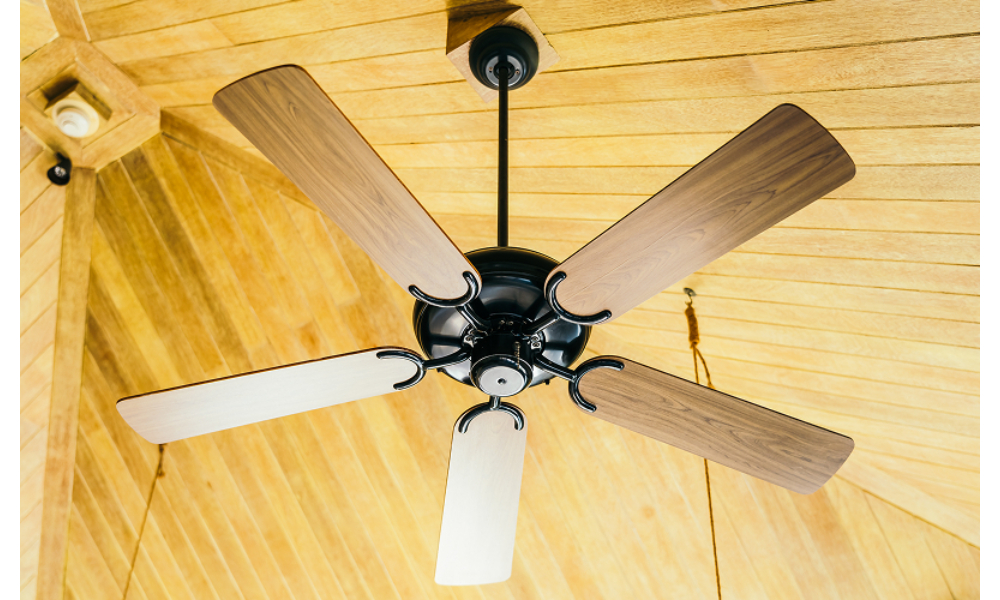
Choosing a ceiling fan sounds simple until you try picking one for every room. Each space behaves differently. Some need stronger airflow, others need something subtle, and a few call for a statement piece that doubles as décor. The right choice makes a room feel balanced, comfortable, and intentional. With smart ceiling fans becoming more common, it also helps to understand how technology plays into design decisions. Here is a straightforward guide that makes the selection process easier, no matter your home layout.
Think First About the Actual Room Size
Every room has its own rhythm, and the fan size must match it. Small rooms feel overwhelmed by oversized blades, while large rooms barely feel airflow from a compact model. A simple approach works best here: look at the square footage and find a fan that sits proportionally in the space. Bedrooms and studies tend to benefit from moderate blade spans because the goal is comfort without excessive force. Large living rooms, on the other hand, handle broader blades that move air across wider areas.
This step does not need long calculations. It is about observing the room you use daily and choosing a ceiling fan that looks and feels right once installed. When the proportions are correct, the room immediately feels calmer and more cohesive.
Match the Fan Height With the Ceiling’s Structure
Some ceilings sit low. Others stretch upwards with beams or angled corners. These architectural details matter more than most people think. A well-chosen downrod helps position the fan at a height that encourages smooth airflow without drooping too close to head level. For low ceilings, a flush-mount design keeps the fan tucked neatly overhead and maintains safety without sacrificing circulation.
This part of the decision-making process is about harmony. The moment a fan hangs too high or too low, the room’s comfort shifts. Aim for a position that allows the air to reach people seated, moving, or resting. A balanced height makes even a quiet fan feel more effective.
Consider How the Room Is Used Day to Day
Not every room requires the same airflow behaviour. Kitchens warm up quickly, so a steady, consistent breeze works best. Bedrooms benefit from gentler airflow, especially at night. Living rooms might need a fan that adjusts easily throughout the day, especially if natural light affects temperature changes.
Here is where smart ceiling fans become a practical choice. They adjust settings without constant manual changes. Many users appreciate being able to tweak airflow levels from a phone or automate the fan during humid afternoons. The goal is simple: match the fan’s capability with how you actually use the space, instead of buying features you never touch.
Blend Function With Style
A ceiling fan plays a visual role whether you intend it or not. The blades, motor housing, and overall silhouette influence how the room feels. Choose dark finishes for modern interiors, light finishes for airy rooms, and wooden textures for cosy corners. Some fans disappear into the ceiling; others add a sculptural effect. Neither is right nor wrong. It depends on what you want the eye to notice when you enter the room.
Design goes beyond looks. Blade shape affects airflow direction and intensity. A sleek aerodynamic design may suit open living spaces, while simpler, straight blades work well in compact rooms. Pick a fan that complements the room rather than competes with it.
Choose Controls That Fit Your Lifestyle
Everyone controls their ceiling fan differently. Some prefer a wall switch that remains consistent. Others enjoy remote controls they can reach while relaxing. Smart ceiling fans offer a fully hands-off experience if you want automation to manage cooling throughout the day.
Think about the lifestyle you keep. If you move a lot around the house, remote or smart options add convenience. If you like a predictable setup, a simple switch will do. What matters is choosing a control style that you will actually use, not one that looks impressive on paper.
Check Installation Requirements Early
A ceiling fan performs at its best when the installation is handled correctly. Before making any purchase, check the wiring access, ceiling strength, and available mounting points. Rooms undergoing renovation usually have more flexibility, while completed rooms might require small adjustments to support the fan securely and keep it operating smoothly.
Thinking ahead prevents unexpected changes later and helps the installation run without complications. A properly mounted fan stays quiet, lasts longer, and delivers steady airflow throughout the room.
If you are ready to choose a ceiling fan or want to explore smart ceiling fans for a comfortable and well-designed home, contact Light Avenue for a trusted lighting shop in Singapore and receive guidance that suits your space.