
Kitchen tiles catch every splash of sauce, every cooking mishap, and hold onto the evidence long after dinner’s done. Over time, that hidden grime becomes more than just unsightly. It can harbour bacteria and turn food prep into a hygiene gamble.
During move-out inspections, kitchen tiles are often one of the first things landlords notice. Neglected grout can chip away at your bond.
Keeping your tiles spotless means cooking in a healthier space and protecting your investment. Here’s how to do that.
Get the Necessary Cleaning Supplies
Smart cleaning starts with proper gear. Look for pH-balanced tile cleaners that dissolve kitchen muck without damaging surfaces.
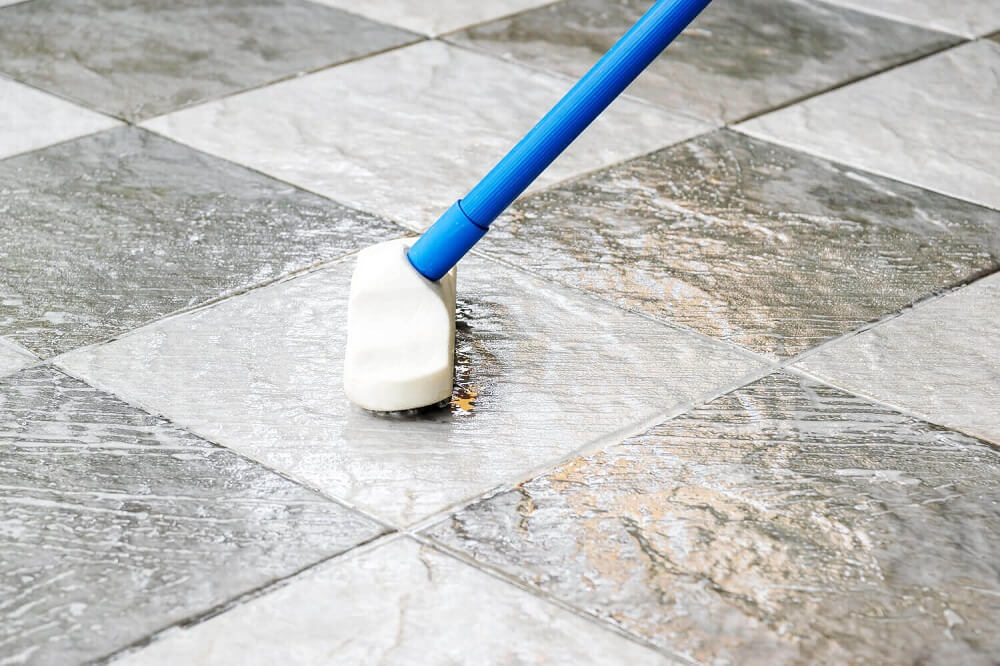
Once you’ve got the right cleaner, it’s time to focus on the tools. Sturdy bristle brushes tackle stubborn grout lines where ordinary cloths surrender. For a flawless finish, microfibre fabrics deliver streak-free results, while mops handle larger floor sections efficiently.
Don’t overlook those hard-to-reach areas that quietly collect grime over time. A speciality corner brush works wonders in the tight gaps where countertops meet walls or where appliances sit close together.
These hidden spots tend to trap grease and crumbs, so giving them a proper once-over adds that final touch of polish that makes the whole kitchen feel genuinely clean.
If you’re leaning towards eco-friendly options, mixing warm water with vinegar makes for an effective natural solution. When stains fight back, baking soda becomes a secret weapon. Just sprinkle a little before scrubbing.
With the right gear in hand, quality tools transform tedious chores into manageable tasks and preserve tile integrity for years to come.
Looking for something even deeper? Steam cleaners offer another alternative for those seeking deep sanitisation without harsh chemicals.
To make the job safer and easier on yourself, slip on a pair of rubber gloves to shield your hands from dryness during long cleaning sessions. And if you’ll be tackling floor tiles, knee pads are worth their weight in gold for comfort and support.
Prepare the Area Around the Tiles
While preparation might seem tedious initially, it saves considerable time throughout the entire cleaning process.
Clear countertops completely and relocate floor items temporarily. Next, toss protective cloths over nearby appliances to shield them from cleaning splashes.
These precautions matter. They prevent obstacles during scrubbing sessions and safeguard valuables from potential damage.
Don’t forget safety, either. Covering electrical outlets near cleaning zones prevents moisture-related hazards while protecting circuit breakers from unexpected trips.
For maximum visibility, proper lighting reveals hidden grime spots that might otherwise escape notice during cleaning sessions.
To track your progress, taking pre-clean photos helps document results and provides satisfaction when comparing finished outcomes.
While you’re at it, place portable fans strategically to create air circulation. This speeds drying times significantly.
Mix and Apply a DIY Cleaner
For those leaning green, you can prepare nature-friendly cleaners by combining one cup of vinegar with a cup of warm water.
For stubborn spots, a simple baking soda paste works wonders—just mix enough water to form a thick consistency and apply it directly to the problem areas. For best results, let it sit for a few minutes.
Lemon juice is another natural option, cutting through grease while leaving a fresh, citrusy scent behind.
Once your solution is ready, grab a sturdy brush and start from one corner of the kitchen, working methodically across the tiles to tackle every surface evenly.
Work your way across the kitchen tiling in a steady, systematic rhythm — no skipping spots, no random dashes back and forth. Think of it as giving your kitchen floor the kind of attention it’s been hoping for.
Pay close attention to grout lines, as they collect more residue than tile faces. Old toothbrushes excel at navigating these narrow channels where larger tools fail. Meanwhile, dental picks can remove particularly stubborn particles wedged deeply into grout crevices.
Patience is key when tackling tiles. Work deliberately, covering every centimetre without rushing, and you’ll often avoid having to go over areas a second time. Proper application from the start makes a huge difference in results.
Temperature matters too. Slightly warm solutions generally perform better than cold ones when it comes to breaking down accumulated kitchen grease. This, in turn, gives you a more effective clean with less effort.
Follow the Right Scrubbing Strategy
Start by keeping your brush loaded with cleaner and work in steady, circular motions. These are far better at lifting grime than straight strokes.
Also, don’t skimp on the grout lines or high-traffic areas. These spots love to hold onto every bit of dirt and grease.
If you’re dealing with stubborn, baked-on messes, give them a little head start by covering the area with a damp cloth for 15–20 minutes. It softens the residue and makes scrubbing much less of a battle.
Around the stove, you’ll often need a stronger vinegar mix or a dedicated degreaser to tackle those persistent oily films.
Work in small sections so your solution doesn’t dry out before you’ve had a chance to scrub. Switching between brushes—soft for tiles, stiff for grout—makes the process smoother and ensures you’re not damaging anything along the way.
And if this feels like more than you can handle, booking a bond cleaning service can take the pressure off. You’ll know your kitchen tiles will sparkle come inspection day, and you can enjoy the results without breaking a sweat.
Rinse and Dry the Tiles
Rinsing might feel like the boring part, but it’s pretty important. Fresh water removes leftover cleaning residue that can leave tiles looking dull.
For large areas, a mop makes the job quick, while microfibre cloths are perfect for corners and detailed spots. They trap moisture like a dream.
Don’t be afraid to rinse twice if needed. Multiple passes ensure every last trace of cleaner is gone, so your tiles truly shine.
Once rinsed, drying deserves equal care. Start where you began cleaning and work methodically across the surfaces, swapping out soaked cloths as needed to avoid spreading dirty water. Microfibre works best—it leaves tiles dry and streak-free without any lint.
Boosting airflow speeds things up dramatically. Open a window or switch on a fan, and watch lingering moisture vanish faster while reducing humidity.
For a final check, inspect tiles under natural light or from an angle. This reveals streaks and watermarks that might be invisible under your usual lighting.
Taking these extra steps ensures your tiles aren’t just superficially clean—they’re genuinely spotless and ready to impress during inspections or even everyday use.
Conclusion
The secret to spotless kitchen tiles isn’t elbow grease alone. It’s a mix of prevention, smart techniques, and the right tools.
Cleaning doesn’t have to feel like a marathon. Take a few minutes each week to tackle spills, scrub grout lines, or run eco-friendly cleaners. This will keep your tiles cleaner and your kitchen healthier.
Start small, stay consistent, and enjoy the satisfaction of a kitchen that looks—and feels—truly cared for.