
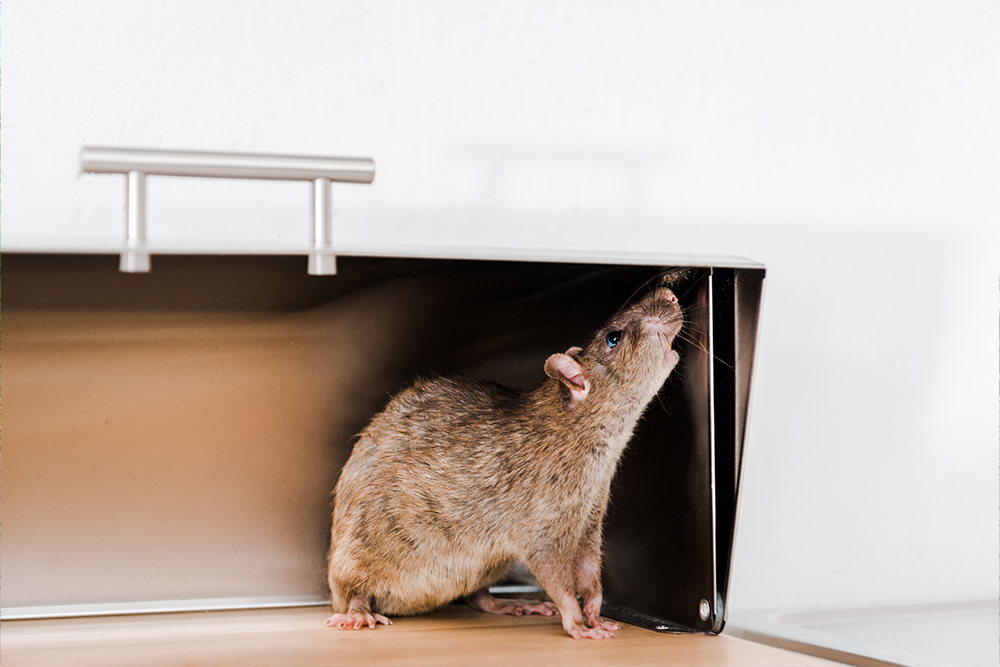
Rodents such as mice and rats are persistent pests that can compromise both the safety and cleanliness of your home. Beyond property damage caused by gnawing wires, insulation, and wooden structures, rodents carry diseases that can affect humans and pets. Once established, rodent colonies are difficult to eliminate, making prevention and early intervention essential.
This comprehensive guide outlines practical steps to rodent-proof your home, identifies warning signs of infestation, and emphasizes the importance of professional pest control services for long-term protection.
Why Rodents Are a Serious Concern
Rodents are more than just an annoyance—they are destructive and pose significant health risks.
Health Risks to Humans
- Hantavirus
- Leptospirosis
- Salmonella
- Allergic reactions from droppings and dander
Risks to Property
- Chewed electrical wires can lead to fire hazards
- Damage to insulation, drywall, and woodwork
- Contamination of stored food and pantry items
Rapid Reproduction
- Mice can produce up to 60 offspring per year
- Rats can have multiple litters annually
- Populations can quickly overwhelm DIY control efforts
Common Entry Points for Rodents
Identifying potential entry points is key to preventing infestations.
Typical Access Points
- Cracks or holes in foundations and walls
- Gaps around doors, windows, and vents
- Spaces around plumbing and electrical lines
- Attic or roof openings
Sealing these points effectively blocks rodent access and reduces the chance of colonization.
Signs of Rodent Activity
Early detection is crucial to minimize damage and health risks.
1. Droppings
- Small, dark, pellet-shaped droppings are a key indicator
- Often found near food sources, along walls, or in hidden corners
2. Gnaw Marks
- Chewed furniture, wires, or baseboards suggest active rodents
- Fresh marks appear lighter in color
3. Nesting Materials
- Shredded paper, fabric, or insulation forming small nests
- Nests usually hidden in quiet areas like attics or basements
4. Noise
- Scratching or scurrying sounds in walls, ceilings, or behind appliances
5. Tracks or Rub Marks
- Footprints or grease marks along walls and baseboards
Preventive Strategies to Rodent-Proof Your Home
Rodent-proofing combines sanitation, structural modifications, and consistent monitoring.
1. Maintain Cleanliness
- Store food in airtight containers
- Dispose of garbage daily and use sealed bins
- Clean up crumbs and spills promptly
- Keep pet food secured when not in use
2. Seal Entry Points
- Inspect and repair cracks and gaps in foundations
- Install weather stripping around doors and windows
- Use steel wool or sealants to block gaps around utility lines
3. Reduce Outdoor Attractants
- Trim overgrown vegetation near the home
- Store firewood at least 20 feet from the foundation
- Remove yard debris and clutter that can serve as nesting sites
4. Manage Moisture
- Fix leaky pipes and faucets
- Ensure proper drainage around foundations
- Use dehumidifiers in damp basements or crawl spaces
5. Implement Monitoring Systems
- Place traps or bait stations near common entry points
- Regularly inspect attics, basements, and crawl spaces
DIY vs. Professional Rodent Control
While homeowners can take preventive measures, professional intervention is often necessary for complete eradication.
Limitations of DIY Methods
- Traps may only remove visible rodents
- Baits may fail to reach hidden nests or affect the queen in larger rat colonies
- Rodent populations can rebound quickly without comprehensive treatment
Advantages of Professional Services
- Expert identification of species and nesting areas
- Targeted baiting or trapping techniques to eliminate entire colonies
- Safe application of rodenticides and preventive measures
- Long-term monitoring to prevent reinfestation
When to Call a Professional
Professional assistance is crucial when:
- Rodent activity persists despite DIY efforts
- Structural damage is observed
- Droppings or nests are found in multiple locations
- Household members or pets are at risk from disease exposure
Professionals provide efficient, safe, and effective solutions to eliminate rodents and protect your home from future infestations.
Maintaining a Rodent-Free Home
After successful removal, long-term rodent-proofing involves regular inspection and preventive maintenance.
Best Practices
- Continue sealing potential entry points annually
- Maintain a clean, clutter-free environment
- Keep pet food stored securely and dispose of garbage promptly
- Monitor for signs of rodent activity regularly
Consistent application of these practices ensures a safe, healthy home environment year-round.
Conclusion
Rodents are persistent, destructive pests that require proactive measures to prevent and control. Effective rodent-proofing combines sanitation, structural maintenance, outdoor management, and professional expertise. By identifying entry points, monitoring activity, and implementing preventive strategies, homeowners can safeguard their property and family from the threats posed by rodents.
For thorough rodent prevention and expert control, homeowners rely on Positive Pest Management to ensure a safe, pest-free home with long-term protection against mice and rats.