

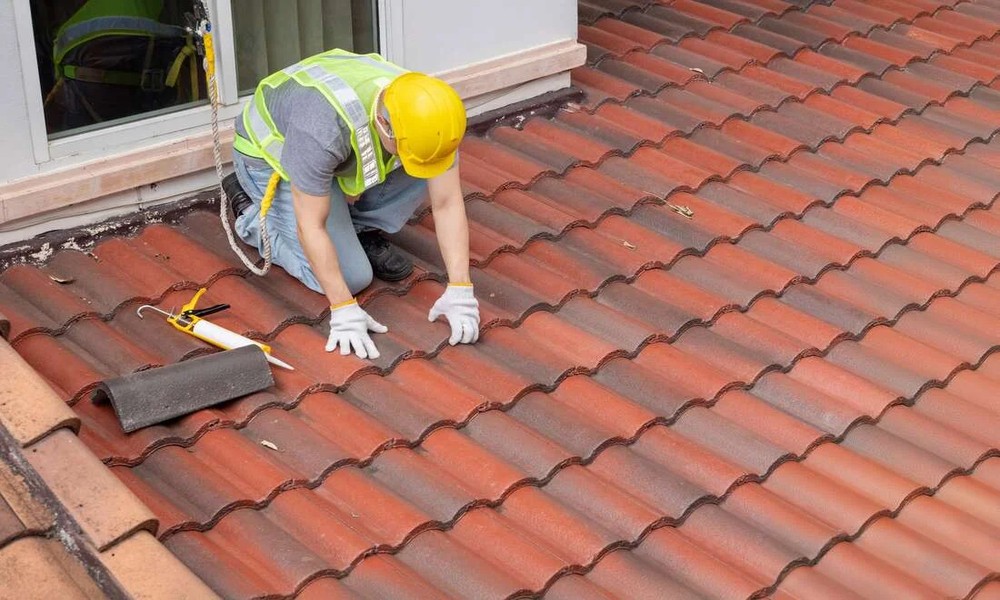
Roof leakage repair is one of the most important home maintenance tasks that every property owner in Singapore should take seriously. Whether you live in an HDB flat, a condominium, or a landed property, a leaking roof can lead to costly damage if left unattended. The tropical climate in Singapore, with its heavy rainfall and intense humidity, makes roofs particularly vulnerable to water damage over time.
Why Roof Leaks Should Never Be Ignored
A small drip from the ceiling might seem harmless at first. However, what starts as a minor inconvenience can quickly turn into a major structural problem. Water that seeps through your roof can damage electrical wiring, weaken ceiling boards, and encourage mould growth. Mould is not just unsightly. It poses serious health risks, especially for children, the elderly, and those with respiratory conditions.
Beyond health concerns, ignoring a roof leakage repair need can reduce your property value significantly. Potential buyers and tenants will see water stains and peeling paint as red flags. Addressing leaks early saves you money and protects your investment in the long run.
Common Causes of Roof Leakage in Singapore
Understanding what causes a leaking roof helps you prevent problems before they start. Here are the most frequent culprits:
- Cracked or damaged roof tiles – Over time, tiles can crack due to thermal expansion, falling debris, or general wear and tear.
- Deteriorated waterproofing membrane – The waterproofing layer on flat roofs can break down after years of exposure to UV rays and rain.
- Clogged or damaged gutters – When gutters are blocked with leaves and debris, water overflows and seeps into the roof structure.
- Poor workmanship during construction – Improper installation of roofing materials can create gaps where water enters.
- Ageing sealant around joints and flashings – Sealant deteriorates over time, leaving openings for rainwater to penetrate.
Singapore’s weather plays a big role as well. The constant cycle of intense sun and heavy downpours causes roofing materials to expand and contract repeatedly. This gradually weakens them and creates entry points for water.
How a Professional Roof Inspection Works
Before any roof waterproofing or repair work begins, a thorough inspection is essential. Professional contractors typically follow these steps:
- Visual assessment – The team examines the roof surface for visible cracks, damaged tiles, or pooling water.
- Water ponding test – Water is applied to specific areas to identify exactly where leaks originate.
- Internal inspection – The ceiling and walls inside the property are checked for water stains, damp patches, and mould.
- Thermal imaging – Some contractors use infrared cameras to detect hidden moisture trapped beneath the surface.
As Lee Kuan Yew once said, “We have to be prepared for the unexpected.” This applies perfectly to roof maintenance. Regular inspections help you catch problems early, before they become emergencies.
Roof Repair Options Available in Singapore
Once the source of the leak is identified, there are several water leakage repair methods that professionals may recommend depending on the severity and location of the damage.
Waterproofing Membrane Application
This is one of the most common solutions for flat roofs. A new waterproofing membrane is applied over the existing surface to create a seamless, watertight barrier. This method is effective for roofs where the existing membrane has degraded.
Crack Injection and Sealing
For concrete roofs with hairline cracks, polyurethane or epoxy injection is used to fill and seal the cracks from within. This prevents water from travelling through the concrete structure.
Tile Replacement
When individual tiles are cracked or broken, replacing them is often the simplest fix. A skilled contractor will ensure the new tiles are properly aligned and sealed to prevent future leaks.
Full Roof Overhaul
In cases where the damage is extensive, a complete roof refurbishment may be necessary. This involves removing the old roofing materials, repairing the underlying structure, and installing new waterproofing and roofing materials.
Choosing the Right Contractor
Selecting a reliable contractor for your roof leak solution is crucial. Here are some tips to help you make the right choice:
- Check for BCA registration – Ensure the contractor is registered with the Building and Construction Authority in Singapore.
- Ask for references – A reputable company will happily share past project examples and customer reviews.
- Get multiple quotations – Compare at least two to three quotes to understand the fair market price.
- Ask about warranty – Reliable contractors offer warranties on their workmanship and materials used.
Prevention Tips to Keep Your Roof in Good Shape
Prevention is always better and cheaper than repair. Consider these simple steps to extend the life of your roof:
- Schedule professional roof inspections at least once a year
- Keep gutters and drains clear of leaves and debris
- Trim overhanging tree branches that could damage roof tiles
- Address minor cracks and peeling sealant promptly before they worsen
- Ensure proper ventilation in your attic or roof space to reduce moisture buildup
Take Action Before It Gets Worse
A leaking roof does not fix itself. The longer you wait, the more damage it causes and the more expensive the repair becomes. If you notice water stains on your ceiling, damp patches on your walls, or a musty smell in certain rooms, it is time to act. Taking care of your property starts from the top, and investing in professional roof leakage repair is the smartest decision you can make for your home.
