

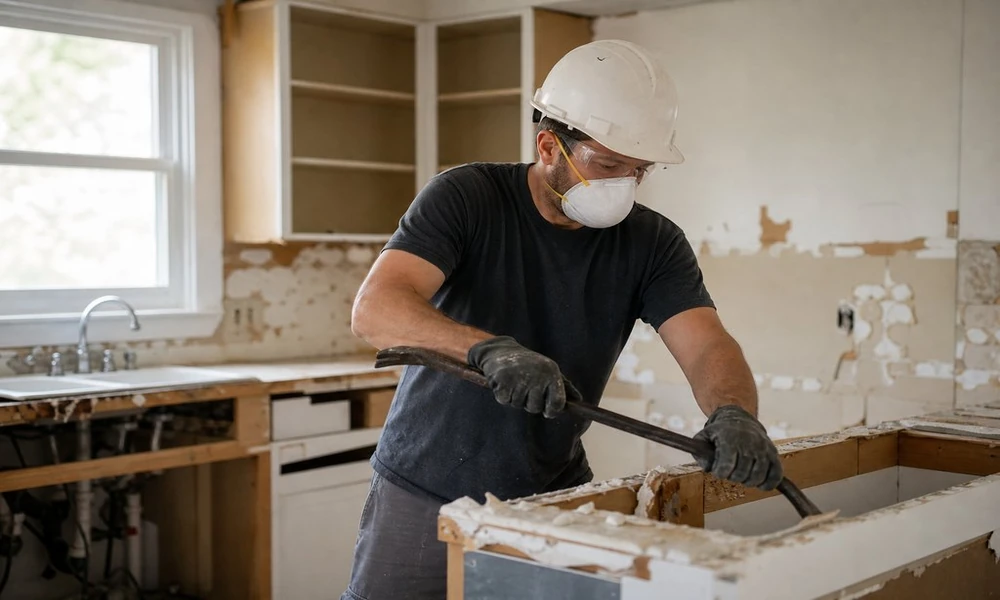
Homeowners often think that the beginning of a kitchen renovation is the most unpleasant part: taking the old stuff out. However, demolition is more than removing old cupboards or tearing up old flooring. This process separates your previous kitchen from the brand-new one that you will build afterward. The right type of demolition will protect the rest of the house and keep your workspace clean and tidy. This allows the remodelers to clearly see what’s behind your cabinets, under your flooring, and inside your walls.
Kitchen Demolition Scope and Preparation
Depending on the scope of your remodeling project, the work required could be minor or more comprehensive. If you just want to update your kitchen’s look, you’ll have to take out your cabinets, countertops, appliances, and backsplash. If you want to reconfigure your kitchen, you’ll also have to change the walls, plumbing, and electrical. Here is a list of what might get pulled out during a typical kitchen renovation:
- Cabinets and countertops
- Sink and faucets
- Appliances
- Flooring (tile, vinyl, laminate, etc.)
- Backsplash and wall finishes
- Lighting and electrical components
- Soffits, partitions, and trim
- Drywall and insulation (if damaged)
Some of these materials may not need to be removed if they are still in good shape and the design will stay the same.
Demolishing can’t begin until you’ve decided what to keep and what to take out. You’ll need to know which areas you want changed, where you want the new fixtures, and how much of the room you’re going to remodel. You don’t want to remove anything until you have a solid plan. For example, you don’t want to pull out cabinets and then decide that you want to move your sink. The plumber would have to relocate the pipes and drains, adding more time and expense to the job; the practical side of kitchen demolition Davie starts there.
The kitchen has to be completely cleared out before demolition can start. Remove all food, dishes, cooking utensils, small appliances, decorations, and personal items. Other parts of the home may have to be covered up or moved, too, to prevent dust and dirt from traveling into other rooms.
Make sure to set up a temporary kitchen in another room before the demolition starts. A mini fridge, microwave, and some paper plates will make life easier while your kitchen is being remodeled.
Keeping Demolition Dust Contained
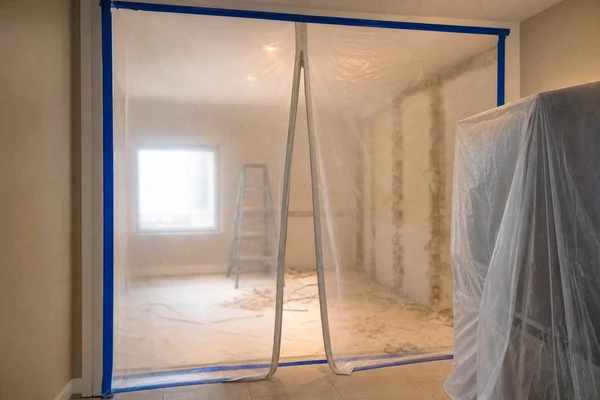
Kitchen renovation dust containment
Dust and dirt will be generated by any type of demolition work, so containment is a priority. Use plastic barriers, floor coverings, sealed windows and doors, and controlled debris removal to contain the mess. The walkway between the kitchen and the disposal area must be kept free of debris, and any floors or door frames that fall outside the work area should be protected from damage.
For the team at Kitchen Remodeler Davie, a 36-inch-wide debris path is one practical detail to settle before work starts. If you have a large amount of debris to dispose of, it might be beneficial to rent a dumpster and place it next to your house. However, make sure that the dumpster is the appropriate size for your project, so you don’t end up with an unnecessarily huge dumpster sitting on your property.
Potential Issues Can Complicate Demolition
Hidden issues can surface during any remodeling project, and your kitchen may have its own share of problems. Water damage, mold stains, warped wood, faulty wiring, and leaks can all pop up when your old cabinets, flooring, or walls are taken down. Don’t assume that these issues mean your project has fallen through. Demolition often uncovers these issues in order to get them fixed before the new cabinets and flooring are put in. If they’re hidden, it can cause more problems further down the line.
If you live in an older home, check with the contractor to find out if the materials used to build the kitchen could be hazardous. These materials will have to be handled differently than normal debris.
What happens after the hidden problems are exposed? Should you leave the existing structures intact?
Demolition Is a Dangerous Process
Removing cabinets, flooring, walls, and other fixtures from your kitchen can be dangerous. There are sharp edges, heavy objects, electricity, water, and potential structural hazards to worry about. Removing a countertop, for instance, may appear to be a simple task, but the counter may actually be screwed to the cabinets and walls, requiring the screws to be taken out first.
Before taking anything down, make sure all of the utilities have been turned off. Shut off the water, gas, and electricity (there’s a decent explainer at www.cnet.com/home) before disconnecting any fixtures. Be careful when removing walls to ensure that they are not load-bearing, since that could bring the ceiling and roof down, or affect other rooms. Demolition work requires professionals to ensure everything is done correctly, especially if your kitchen will be remodeled in a way that requires moving walls, removing tiles, or fixing water damage. The goal isn’t just to empty out the room, but to get it ready for the construction to follow.
Get any necessary permits or approvals before you begin. Simple cosmetic changes usually won’t require any special permits, but anything that involves moving plumbing, modifying electrical circuits, removing a wall, or changing the ventilation will likely require permits and inspections.
If your community has an HOA, verify their rules about work hours, worker entry/exit, parking, dumpsters, etc.
It’s a good idea to take photos of the entire kitchen before you start knocking things down, too, as these will be useful if you need to document what was already there before the renovation, especially in regard to walls, floors, or adjacent rooms.
Prior to demolition, make a list of any items you can reuse or recycle. This could include things like working appliances, cabinet pulls and knobs, metal door frames, etc. If you donate or recycle these items instead of throwing them away with the garbage, you may save money on disposal and decrease the amount of waste sent to a landfill.
Demolition Prepares the Kitchen for Remodeling
Having a clean slate makes the entire remodeling process smoother. After the demolition crew finishes removing your kitchen’s old finishes, they can measure, inspect, and prepare the space for the new cabinets, plumbing, electricity, flooring, and walls. Make sure the whole house has been cleaned of the debris before your remodeling team gets started.
