

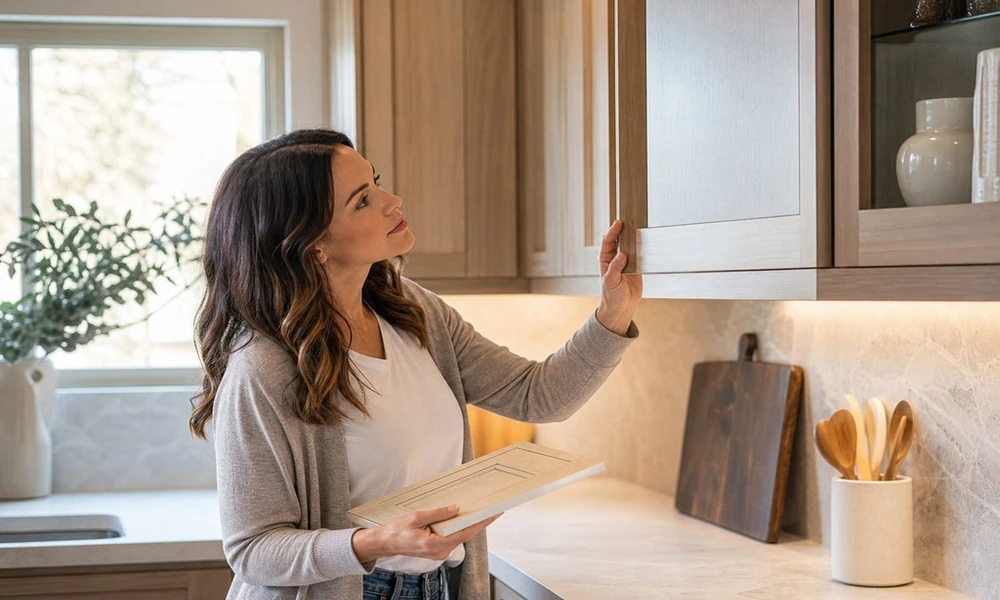
Kitchen cabinets are one of the first things that comes to mind when it comes time for a kitchen remodel in Davie. Cabinets define the overall aesthetic of your kitchen. It’s easy to envision a new color or new door styles, but color and doors are the last items you should be choosing when you’re working with a cabinet maker.
Start with how the kitchen is used
Cabinets provide storage and determine your work triangle. Cabinets can also dictate the look of your kitchen, but before you get to style, start by discussing your needs. Cabinets are an investment and should be customized to meet the unique needs of your family.
Start with a conversation about how you use your kitchen and what changes you’d like to make to improve your everyday experience. Write down some of the pain points of using your kitchen as-is. Maybe the pantry doors bump into the refrigerator, you’re reaching too far to grab items stored in upper cabinets, or there’s not enough countertop space for food prep. Jotting down a list of problems can help you better articulate what changes need to be made.
Why cabinet layout comes before door style
Custom or semi-custom kitchen cabinets are a solution for awkward spaces like uneven walls, odd corners, unusual angles, windows, soffits or other limitations. Cabinets should be measured and designed to solve problems. Older homes are notorious for less-than-perfect angles that create issues for builders. Cabinet makers are used to solving these challenges. Cabinets can be designed to meet your exact specifications, filling empty spaces and eliminating the need for giant filler strips.
Storage features worth discussing
Beyond the layout of your kitchen cabinets, it’s important to think about what goes inside them. Discussing accessories and interior layouts with your cabinet maker near Nova Southeastern University can help you create a kitchen that is both functional and tailored to your needs.
Some of the most popular additions include cookware drawers that allow pots and pans to lay flat, sheet pan organizers that fit neatly between two cabinet walls, pull-out spice racks, trash and recycling bins that roll out of cabinets, pull-out pantry systems, knife drawers, and utensil organizers.
Discuss what doesn’t work well with your current cabinets. Your cabinet maker can provide options and ideas to make sure nothing gets lost in the depths of the pantry.
Cabinets don’t necessarily need to be rebuilt if you’re unhappy with your kitchen. If the boxes are solid, consider adding drawers, new accessories or changing out just the doors. Updating only some elements of your current cabinetry can help keep remodel projects within budget.
Matching cabinet materials to South Florida conditions
Davie has a subtropical climate. While we’re lucky to enjoy beautiful weather most of the year, heat and humidity affect our homes, including the materials used to build them.
While natural, solid woods (https://britannica.com/science/wood-plant-tissue is surprisingly readable on this) are beautiful, they’re porous and react to humidity by shrinking and swelling. Plywood is a common material used in cabinets because of its strength and the fact it holds screws well. Some engineered woods are fine when sealed and kept away from moisture. Discuss how cabinets should be cared for and cleaned.
Cabinets located near appliances, sinks, dishwashers or other sources of heat or moisture will wear differently than cabinets used for storage. Choose materials accordingly. Matte finishes hide fingerprints and smudges but may be difficult to touch-up if cabinets become scratched.
Measure appliances and plan work zones
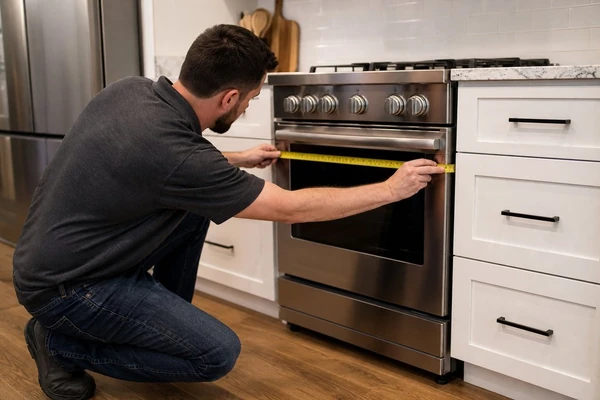
Confirm that you have your appliances or obtain cut sheets before cabinets are measured and built. Knowing what appliances will be included will prevent headaches down the road. Changing your mind once cabinets have been built can be very expensive. Your cabinet maker should know what kinds of questions to ask, including:
- Will there be a range or a wall oven/cooktop combination?
- Is the refrigerator going to stay in the same location?
- Will the refrigerator doors clear the hallway or do they swing in such a way as to hit cabinets?
- Will the dishwasher be in the same location and are there any cabinet pulls that may interfere with the dishwasher handle?
Look beyond the kitchen triangle
While the triangle of the refrigerator/stove/sink is critical, consider all aspects of how you use your kitchen. Think about zones. Consider a food prep area, cooking, cleaning and storage. Discuss the best ways to utilize all zones efficiently.
Before the cabinet order is placed
Review the cabinet order thoroughly before cabinets are built. Make sure dimensions are correct and materials, colors, finishes, accessories, door styles, pulls, handles, crown, toe-kick and other elements are correct.
Discuss the timeline of the remodel. Are there electrical/plumbing changes that need to happen before cabinets arrive? Discuss who will be in charge of demo’ing current cabinets. How will flooring be handled?
Discuss a timeline for countertops and any other items that need to happen before cabinets are delivered and installed. Make sure whoever is installing cabinets will have adequate space to work around electrical/plumbing connections.
