

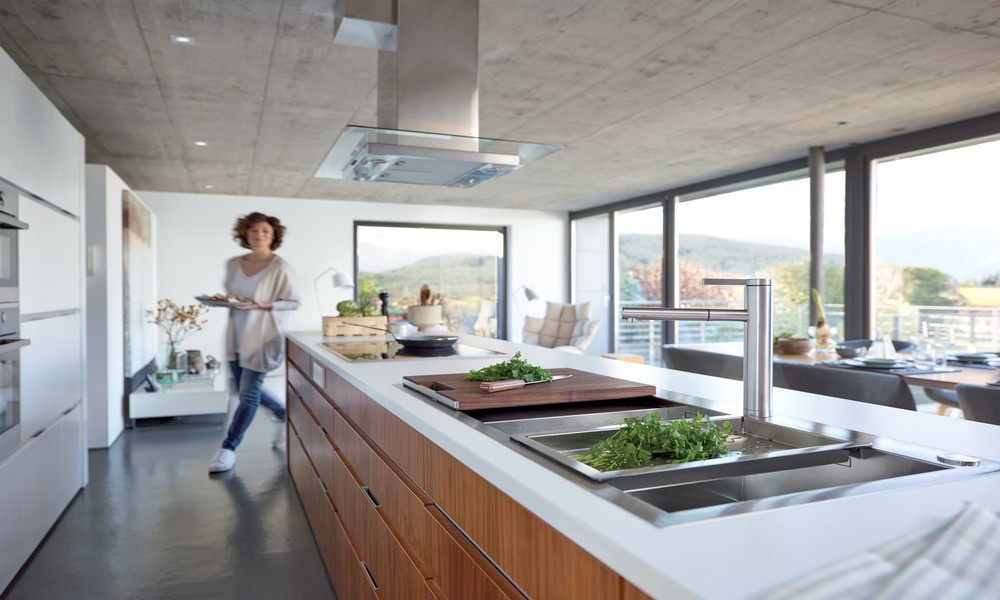
Imagine stepping into a kitchen where every drawer glides open without resistance, the countertop height feels custom-made for you, and ingredients flow effortlessly from fridge to stove. That seamless experience is no accident. It is the result of thoughtful ergonomic design, a philosophy that has transformed the way kitchens are renovated and lived in.
Early Approaches to Kitchen Design: Form Over Function
Not long ago, the kitchen was an afterthought in home design. Ornate cabinetry, impressive tiles, and decorative fixtures dominated the scene. Practicality, on the other hand, barely registered. Most kitchens followed rigid layouts, such as the “one-wall” or “galley” setup, and choices were often dictated by aesthetics or tradition rather than the needs of the cook.
Traditional Kitchen Layouts and Their Limitations
Despite their enduring charm, classic kitchen layouts placed style over substance. Storage was often out of reach, counter space was limited, and movement between the sink, stove, and fridge felt more like an obstacle course than a workflow. For a long time, homeowners accepted cramped spaces and awkward placements as the norm.
The Initial Neglect of Ergonomics in Kitchen Spaces
Ergonomics, the science of designing for human use, was largely absent from early kitchen planning. Tasks like chopping, stirring, and cleaning required constant bending, stretching, or twisting. The result? Sore backs, wasted time, and a lingering sense of frustration that something fundamental was missing.
The Emergence of Ergonomics in Home Design
As homemakers, designers, and manufacturers began to question the status quo, change followed. What if a kitchen could be more than beautiful? What if it could fit like a glove and work for every member of the family?
Defining Ergonomics and Its Relevance to Daily Living
At its core, ergonomics is about fitting spaces to people, not the other way around. In the kitchen, this means considering how people move, reach, see, and interact with their environment. From adjustable shelving to anti-fatigue floor mats, ergonomic principles seeped into every element, making daily routines smoother and safer.
Early Ergonomic Concepts Applied to Kitchens
The “work triangle” emerged as one such idea, connecting the main zones (sink, stove, refrigerator) in a compact, efficient route. Over time, designers started to recognize the need to adapt layouts and features to the users’ heights, dominant hands, and habits.
Integrating Ergonomics into Kitchen Renovations
Today’s successful kitchen renovation begins with a simple question: Who will use this space, and how? The answer drives every decision, from layout to material selection.
Assessing User Needs: Height, Reach, and Workflow
Everyone’s body is different. Tall homeowners may need higher counters, while young children or aging parents might require lower shelves or easy-access drawers. Renovation specialists study how users move through their kitchens, observing pinch points and workflow interruptions, then adapt the design accordingly.
The Work Triangle and Its Evolution
Although the work triangle remains a solid foundation, modern kitchens break free from its limits. Islands, multiple prep zones, and open shelving allow for flexible movement, accommodating multi-cook households and social gatherings without sacrificing efficiency.
Custom Solutions: Maximizing Space with Purpose
Ergonomic kitchen design is never a one-size-fits-all proposition. Custom drawer inserts, corner pull-outs, and adjustable lighting solve real problems, making every inch of the kitchen work harder. The focus shifts from “How can we fit this cabinet?” to “How can we make this cabinet fit you?”
The Role of Technology and Materials in Ergonomic Design
Smart solutions and durable materials are raising the bar for what kitchens can achieve.
Innovative Storage and Accessibility Features
Touch-to-open drawers, pull-down racks, and soft-close mechanisms keep strain at bay. Tall pantry units slide out with a gentle nudge. Appliances are installed at optimal heights, reducing the need to stoop or reach.
Sustainable and Durable Materials Enhancing Usability
Ergonomic design is not just about convenience. Choosing sustainable materials, like natural wood finishes or low-VOC countertops, enhances air quality and ensures that surfaces stand the test of daily use. Durable, easy-to-clean surfaces reduce maintenance, so the kitchen stays inviting for years.
The Impact of Ergonomic Kitchens on Lifestyle and Longevity
When kitchens are tailored to their users, they become more than cooking spaces. They evolve into wellness hubs.
Health Benefits and Injury Prevention
Ergonomically designed kitchens minimize awkward postures, repetitive motions, and the risk of slips or falls. The payoff is real, a reduction in everyday aches and a safer environment for everyone, from toddlers to grandparents.
Enhancing Efficiency and Comfort in Daily Routines
Streamlined workflows mean meals come together faster, cleaning is less of a chore, and time spent in the kitchen is genuinely enjoyable. The psychological benefit? Less stress and more satisfaction in the heart of the home.
Trends Shaping the Future of Ergonomic Kitchen Renovations
The kitchen of tomorrow is adaptive, smart, and deeply personal.
Smart Kitchens and Adaptive Design
Emerging technologies, like sensor-activated faucets and app-controlled lighting, adapt the space to user needs in real time. Modular components and movable islands allow the kitchen to grow with the family, not against it.
Personalized, Intentional Design for Lasting Satisfaction
The latest trend is intention, designing not just for today, but for years to come. Long-lasting satisfaction relies on flexibility, foresight, and individuality, ensuring the kitchen remains a source of comfort and pride.
Askal Intérieurs’ Approach to Ergonomics and Custom Renovations
In a crowded field, Askal Intérieurs stands out for its commitment to marrying artisanal craftsmanship with ergonomic mastery. Their process centers around deep collaboration, where each member brings specialized expertise in design, project management, and technical execution. This holistic approach prioritizes not only visual harmony but also user comfort and efficiency throughout a renovation.
Managing Complex Renovations with User-Centered Focus
Clients benefit from an inclusive process that untangles complex logistics while always keeping the end user in mind. Attention to detail ensures that every handle, hinge, and work surface is carefully considered, resulting in a kitchen as delightful to use as it is to behold.
Making Ergonomics a Priority in Your Kitchen Renovation
Thinking of renovating? Start by observing your own habits and physical needs. Prioritize flexible storage, counter heights that fit your physique, and accessible appliances. Insist on materials that will endure years of use and keep maintenance simple. Most importantly, partner with specialists who understand that stunning design is only half the story, lasting satisfaction comes from a kitchen that truly fits the life lived within it.
