

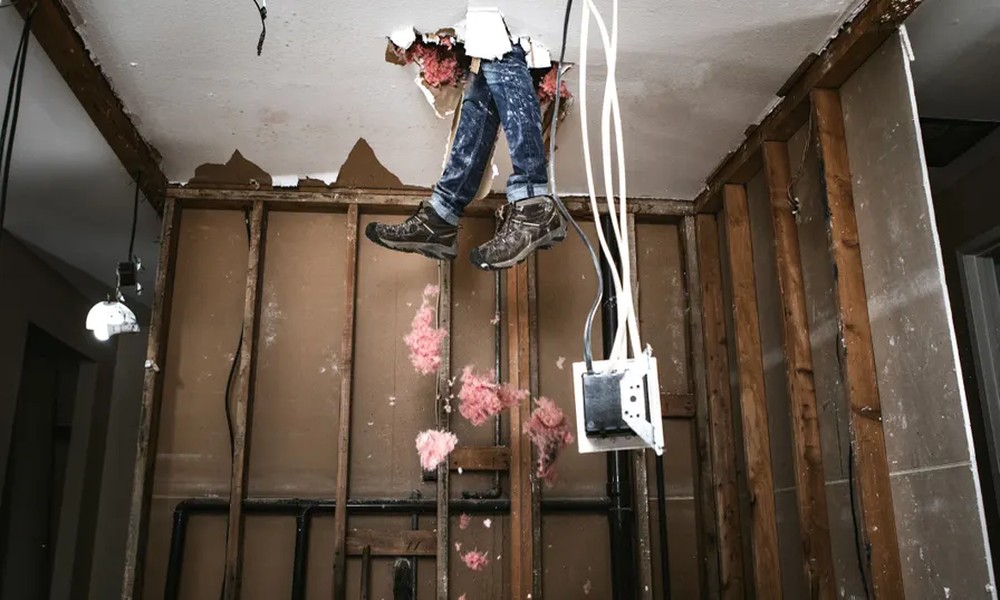
Most people don’t think about what is inside their walls until they have to. They might start to investigate once they notice a scratching sound at night or a faint musty odor that won’t go away. These events can indicate a more serious issue that needs immediate attention.
Longview is at the confluence of the Cowlitz and Columbia Rivers, wrapped in persistent Pacific Northwest moisture that makes it one of the more pest-friendly cities in Southwest Washington. Older housing stock, high annual rainfall, and dense surrounding vegetation create conditions where wall voids become prime real estate for a range of pests that most people never see until the problem is serious. Homeowners who are dealing with a pest invasion should visit Pointepest.com to get the assistance they need. Technicians at Pointe Pest Control will inspect common hiding spots for pests, including walls. They may end up handling any of the following pests:
Rodents
Norway rats and house mice are well-established in Longview’s residential neighborhoods. They can hide in wall voids as these give them insulation for warmth, darkness for safety, and proximity to the food and water sources your home provides.
Mice can compress their bodies through a gap the size of a dime. Rats need slightly more space but are persistent enough to gnaw through wood, soft concrete, and plastic to create their own entry points. Once inside a wall, they nest in insulation and chew through wiring. They leave behind droppings and urine that create health risks and odor problems that can persist after the rodents are gone. Below are signs that point to rodent activity inside walls:
- Scratching or scurrying sounds at night. This can be heard along the base of walls or above ceilings. Rodents are most active after dark and follow the same routes repeatedly, which creates audible patterns.
- Grease marks along baseboards. Rodent fur repeatedly contacts the same surface as they travel established routes through wall voids.
- A persistent ammonia-like odor in a room with no obvious source. This comes from urine accumulation inside the wall cavity.
Carpenter Ants
Longview’s wet climate is a significant factor in carpenter ant activity, and the real damage happens in wall voids. Carpenter ants excavate wood to create galleries for their colony. They target wood that has already absorbed moisture, which in Longview describes a lot of structural framing, especially in older homes with minimal or deteriorated vapor barriers.
A carpenter ant colony behind your walls can operate for years without producing obvious surface signs. What makes carpenter ants deceptive in Longview homes:
- They often enter through exterior wood that contacts soil or retains moisture. This includes door frames, window sills, deck ledgers, and fascia boards, which are common in Longview’s older housing stock.
- Satellite colonies form inside walls separate from the main outdoor nest. Eliminating the ants you see indoors doesn’t address the colony structure inside the wall.
- Wall voids near plumbing are prime targets. Moisture from pipe condensation keeps wood at the humidity level carpenter ants prefer for gallery construction.
Yellowjackets and Paper Wasps
Wall voids in Longview homes are a favored nest location for yellowjackets and paper wasps. A colony that establishes itself in a wall void during spring can grow to several thousand members by late summer.
Wall-void wasp nests are often discovered in the worst possible way. A nest that grows large enough may allow wasps to enter the living space through electrical outlets, light switches, or gaps around window frames.
Cockroaches
German cockroaches and Oriental cockroaches are present in Longview, and wall voids are central to how infestations spread through a home. Cockroaches use wall cavities to move between rooms, access plumbing, and find harborage close to heat sources like water heaters and refrigerator compressors. The visible population represents only a fraction of the total. The majority of the colony stays hidden in wall voids, emerging at night to forage and retreating before daylight.
